
Minimally Invasive Facial Contouring for Aesthetic Clinics vs Surface Approaches: ENDO ONE on Tissue Depth and Targeting
POZZUOLI, NA, ITALY, September 22, 2026 /EINPresswire.com/ -- Aesthetic physicians selecting facial contouring equipment must evaluate whether energy reaches the anatomical layers responsible for facial aging. Minimally Invasive Facial Contouring for Aesthetic Clinics delivers superior structural remodeling compared to surface technologies by applying therapeutic thermal energy directly within subcutaneous tissue planes. Medical directors and practice owners prioritize systems that achieve predictable tissue elevation while avoiding superficial burn hazards.
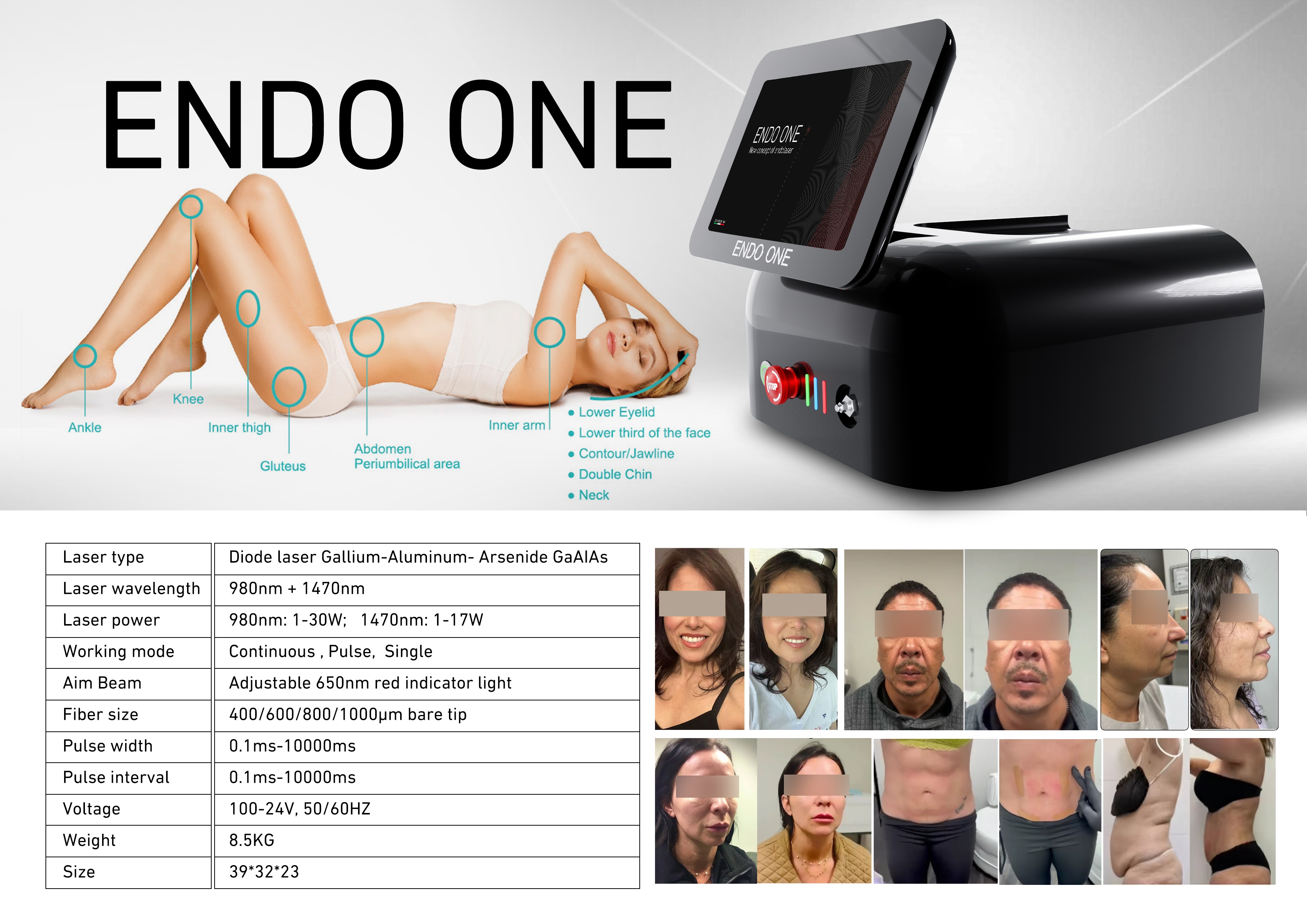
Created by Italian technology specialist ENDO ONE SRL, the ENDO ONE platform deploys targeted optical micro-fibers to bypass the epidermal barrier entirely. By directing energy into subcutaneous adipose deposits and deep fibroseptal networks, the system achieves noticeable tissue lifting and firming without exposing superficial skin layers to thermal injury. Clinical teams can adapt energy delivery to target localized laxity, elevate descended compartments, and sharpen anatomical transitions in a single outpatient session.
Anatomical Depth and Energy Penetration Limitations of Surface Technologies
Surface-applied aesthetic devices must transmit therapeutic energy across the epidermis to influence underlying structural tissues. This transcutaneous pathway creates inherent clinical limitations that compromise treatment efficiency in deeper anatomical planes.
External energy sources lose significant energy density as heat disperses through cutaneous layers. Consequently, clinicians must balance adequate subcutaneous heating against the constant risk of epidermal overheating.
The Epidermal Barrier in Transcutaneous Radiofrequency and Ultrasound
Transcutaneous radiofrequency devices encounter high electrical resistance within the stratum corneum and superficial dermis. Achieving therapeutic thermal elevation in deeper fat layers often requires aggressive surface cooling or multiple treatment sessions.
Micro-focused ultrasound delivers focal thermal coagulation points at preset depths but lacks the ability to track anatomical contours dynamically. Furthermore, ultrasound energy cannot simultaneously emulsify superficial adipose deposits or coagulate microvessels along designated vector pathways.
Direct Subcutaneous Access Through Optical Micro-Fibers
Minimally invasive endolaser technology eliminates epidermal resistance by delivering energy through microscopic skin punctures. Flexible silica fibers enter directly into the superficial hypodermis and deep reticular dermis.
Clinicians manipulate the optical fiber along specific tension vectors under direct visualization using a red aiming beam. This internal approach concentrates thermal energy precisely where soft-tissue descent occurs, producing immediate structural retraction.
Comparative Evaluation Across Key Clinical Performance Criteria
A structured assessment of energy delivery modalities reveals fundamental differences in depth, safety, and operational efficiency across aesthetic practice environments.
Practices evaluate contouring technologies across the following core clinical dimensions:
Anatomical Target Depth: Surface radiofrequency and lasers concentrate thermal effects within the upper one to four millimeters of skin. Subcutaneous optical fibers navigate freely through adipose and fibroseptal planes at depths between four and ten millimeters.
Epidermal Protection: Surface modalities expose epidermal melanocytes to thermal stress, requiring active contact cooling. Subdermal laser emission directs heat downward and laterally within the subcutaneous space, preserving overlying epidermal structures and keeping surface heat below 40 to 42 degrees Celsius.
Directional Vector Control: Transcutaneous energy radiates broadly without defined directional bias. Micro-fiber delivery allows clinicians to establish purposeful vector paths that mechanically lift and retract descended facial compartments.
Treatment Frequency and Cadence: Non-invasive surface devices typically require a series of three to six treatment sessions spaced several weeks apart. Subdermal endolaser protocols deliver definitive structural contouring in a single outpatient session.
Overcoming Melanin Absorption and Post-Inflammatory Hyperpigmentation Risks
Treating patients with darker skin phototypes presents substantial safety challenges for surface-heating lasers and broadband light systems. Epidermal melanin acts as a competing chromophore that absorbs transcutaneous light energy, increasing the incidence of post-inflammatory hyperpigmentation.
Because subdermal micro-fibers release laser energy beneath the dermal-epidermal junction, optical absorption occurs independently of epidermal pigment concentration. The overlying melanin-bearing basal layer remains thermally protected throughout the procedure.
Aesthetic practices can safely treat patients across Fitzpatrick skin types I through VI without adjusting wavelength parameters or risking dyspigmentation. This expanded safety margin broadens practice patient demographics and simplifies clinical consultation.
Procedural Efficiency and Single-Session Patient Outcomes
Practice commercial success depends on delivering high-value clinical results with predictable operational overhead and efficient room turnover. Multi-session surface treatments often suffer from patient compliance attrition and variable outcome satisfaction.
Subdermal endolaser contouring provides a high-efficiency alternative executed entirely under local tumescent anesthesia. A typical full-face contouring procedure requires approximately forty-five to sixty minutes of procedural time.
Patients experience minimal social downtime, with post-treatment swelling and mild bruising resolving within several days. Delivering noticeable structural contouring in a single session maximizes clinical room profitability and enhances overall patient retention.
Frequently Asked Questions About Subdermal Versus Surface Contouring
Why is subdermal fiber delivery more effective for jowl reduction than surface radiofrequency?
Jowls consist of descended subcutaneous fat and lax fibrous septa. Subdermal fibers apply thermal energy directly into the fat compartment to emulsify adipose cells and contract fibrous septa, whereas surface devices cannot deliver sufficient heat to deeper planes safely.
How does patient recovery compare between minimally invasive endolaser and surface treatments?
Surface lasers often produce several days of epidermal redness, peeling, and scabbing. In contrast, subdermal endolaser treatments leave the epidermis intact, resulting in minor swelling and mild bruising that patients manage easily without complex topical wound care.
Is facial contouring with optical fibers painful for the patient?
Procedures are performed under local tumescent anesthesia, which numbs the treatment area completely. Patients remain comfortable throughout the procedure, reporting only mild pressure as the practitioner advances the optical fiber along planned vectors.
What optical fiber sizes are utilized during facial contouring procedures?
Facial treatments typically utilize bare-tip optical fibers measuring 400 micrometers or 600 micrometers. The smaller caliber navigates delicate periorbital and perioral zones, while the larger fiber provides structural rigidity for cheek and jawline vectoring.
Can subdermal endolaser contouring replace surgical face lifting?
While endolaser contouring cannot duplicate the extensive skin excision of surgical rhytidectomy, it represents an effective intermediate solution for patients with mild to moderate laxity who decline surgical intervention and general anesthesia.
Selecting the Optimal Contouring Modality for Modern Aesthetic Practices
Integrating minimally invasive subdermal laser contouring positions aesthetic practices at the forefront of modern non-surgical facial rejuvenation. Delivering high-precision vector tightening in a single outpatient session satisfies evolving patient preferences for natural, low-downtime outcomes.
Clinics seeking technical comparisons, procedural video demonstrations, and equipment integration guidance can contact the clinical advisory team through the dedicated portal. Adopting targeted endolaser technology enhances clinical precision and elevates practice procedural standards. Visit the official website at https://www.endo-one-prime.com/ to explore complete system specifications and schedule a clinical evaluation.
Created by Italian technology specialist ENDO ONE SRL, the ENDO ONE platform deploys targeted optical micro-fibers to bypass the epidermal barrier entirely. By directing energy into subcutaneous adipose deposits and deep fibroseptal networks, the system achieves noticeable tissue lifting and firming without exposing superficial skin layers to thermal injury. Clinical teams can adapt energy delivery to target localized laxity, elevate descended compartments, and sharpen anatomical transitions in a single outpatient session.
Anatomical Depth and Energy Penetration Limitations of Surface Technologies
Surface-applied aesthetic devices must transmit therapeutic energy across the epidermis to influence underlying structural tissues. This transcutaneous pathway creates inherent clinical limitations that compromise treatment efficiency in deeper anatomical planes.
External energy sources lose significant energy density as heat disperses through cutaneous layers. Consequently, clinicians must balance adequate subcutaneous heating against the constant risk of epidermal overheating.
The Epidermal Barrier in Transcutaneous Radiofrequency and Ultrasound
Transcutaneous radiofrequency devices encounter high electrical resistance within the stratum corneum and superficial dermis. Achieving therapeutic thermal elevation in deeper fat layers often requires aggressive surface cooling or multiple treatment sessions.
Micro-focused ultrasound delivers focal thermal coagulation points at preset depths but lacks the ability to track anatomical contours dynamically. Furthermore, ultrasound energy cannot simultaneously emulsify superficial adipose deposits or coagulate microvessels along designated vector pathways.
Direct Subcutaneous Access Through Optical Micro-Fibers
Minimally invasive endolaser technology eliminates epidermal resistance by delivering energy through microscopic skin punctures. Flexible silica fibers enter directly into the superficial hypodermis and deep reticular dermis.
Clinicians manipulate the optical fiber along specific tension vectors under direct visualization using a red aiming beam. This internal approach concentrates thermal energy precisely where soft-tissue descent occurs, producing immediate structural retraction.
Comparative Evaluation Across Key Clinical Performance Criteria
A structured assessment of energy delivery modalities reveals fundamental differences in depth, safety, and operational efficiency across aesthetic practice environments.
Practices evaluate contouring technologies across the following core clinical dimensions:
Anatomical Target Depth: Surface radiofrequency and lasers concentrate thermal effects within the upper one to four millimeters of skin. Subcutaneous optical fibers navigate freely through adipose and fibroseptal planes at depths between four and ten millimeters.
Epidermal Protection: Surface modalities expose epidermal melanocytes to thermal stress, requiring active contact cooling. Subdermal laser emission directs heat downward and laterally within the subcutaneous space, preserving overlying epidermal structures and keeping surface heat below 40 to 42 degrees Celsius.
Directional Vector Control: Transcutaneous energy radiates broadly without defined directional bias. Micro-fiber delivery allows clinicians to establish purposeful vector paths that mechanically lift and retract descended facial compartments.
Treatment Frequency and Cadence: Non-invasive surface devices typically require a series of three to six treatment sessions spaced several weeks apart. Subdermal endolaser protocols deliver definitive structural contouring in a single outpatient session.
Overcoming Melanin Absorption and Post-Inflammatory Hyperpigmentation Risks
Treating patients with darker skin phototypes presents substantial safety challenges for surface-heating lasers and broadband light systems. Epidermal melanin acts as a competing chromophore that absorbs transcutaneous light energy, increasing the incidence of post-inflammatory hyperpigmentation.
Because subdermal micro-fibers release laser energy beneath the dermal-epidermal junction, optical absorption occurs independently of epidermal pigment concentration. The overlying melanin-bearing basal layer remains thermally protected throughout the procedure.
Aesthetic practices can safely treat patients across Fitzpatrick skin types I through VI without adjusting wavelength parameters or risking dyspigmentation. This expanded safety margin broadens practice patient demographics and simplifies clinical consultation.
Procedural Efficiency and Single-Session Patient Outcomes
Practice commercial success depends on delivering high-value clinical results with predictable operational overhead and efficient room turnover. Multi-session surface treatments often suffer from patient compliance attrition and variable outcome satisfaction.
Subdermal endolaser contouring provides a high-efficiency alternative executed entirely under local tumescent anesthesia. A typical full-face contouring procedure requires approximately forty-five to sixty minutes of procedural time.
Patients experience minimal social downtime, with post-treatment swelling and mild bruising resolving within several days. Delivering noticeable structural contouring in a single session maximizes clinical room profitability and enhances overall patient retention.
Frequently Asked Questions About Subdermal Versus Surface Contouring
Why is subdermal fiber delivery more effective for jowl reduction than surface radiofrequency?
Jowls consist of descended subcutaneous fat and lax fibrous septa. Subdermal fibers apply thermal energy directly into the fat compartment to emulsify adipose cells and contract fibrous septa, whereas surface devices cannot deliver sufficient heat to deeper planes safely.
How does patient recovery compare between minimally invasive endolaser and surface treatments?
Surface lasers often produce several days of epidermal redness, peeling, and scabbing. In contrast, subdermal endolaser treatments leave the epidermis intact, resulting in minor swelling and mild bruising that patients manage easily without complex topical wound care.
Is facial contouring with optical fibers painful for the patient?
Procedures are performed under local tumescent anesthesia, which numbs the treatment area completely. Patients remain comfortable throughout the procedure, reporting only mild pressure as the practitioner advances the optical fiber along planned vectors.
What optical fiber sizes are utilized during facial contouring procedures?
Facial treatments typically utilize bare-tip optical fibers measuring 400 micrometers or 600 micrometers. The smaller caliber navigates delicate periorbital and perioral zones, while the larger fiber provides structural rigidity for cheek and jawline vectoring.
Can subdermal endolaser contouring replace surgical face lifting?
While endolaser contouring cannot duplicate the extensive skin excision of surgical rhytidectomy, it represents an effective intermediate solution for patients with mild to moderate laxity who decline surgical intervention and general anesthesia.
Selecting the Optimal Contouring Modality for Modern Aesthetic Practices
Integrating minimally invasive subdermal laser contouring positions aesthetic practices at the forefront of modern non-surgical facial rejuvenation. Delivering high-precision vector tightening in a single outpatient session satisfies evolving patient preferences for natural, low-downtime outcomes.
Clinics seeking technical comparisons, procedural video demonstrations, and equipment integration guidance can contact the clinical advisory team through the dedicated portal. Adopting targeted endolaser technology enhances clinical precision and elevates practice procedural standards. Visit the official website at https://www.endo-one-prime.com/ to explore complete system specifications and schedule a clinical evaluation.
ENDO ONE SRL
ENDO ONE SRL
email us here
Legal Disclaimer:
EIN Presswire provides this news content "as is" without warranty of any kind. We do not accept any responsibility or liability for the accuracy, content, images, videos, licenses, completeness, legality, or reliability of the information contained in this article. If you have any complaints or copyright issues related to this article, kindly contact the author above.
