
ENDO ONE Introduces Advanced Skin Tightening Platform With Selectable Modes for Clinical Use
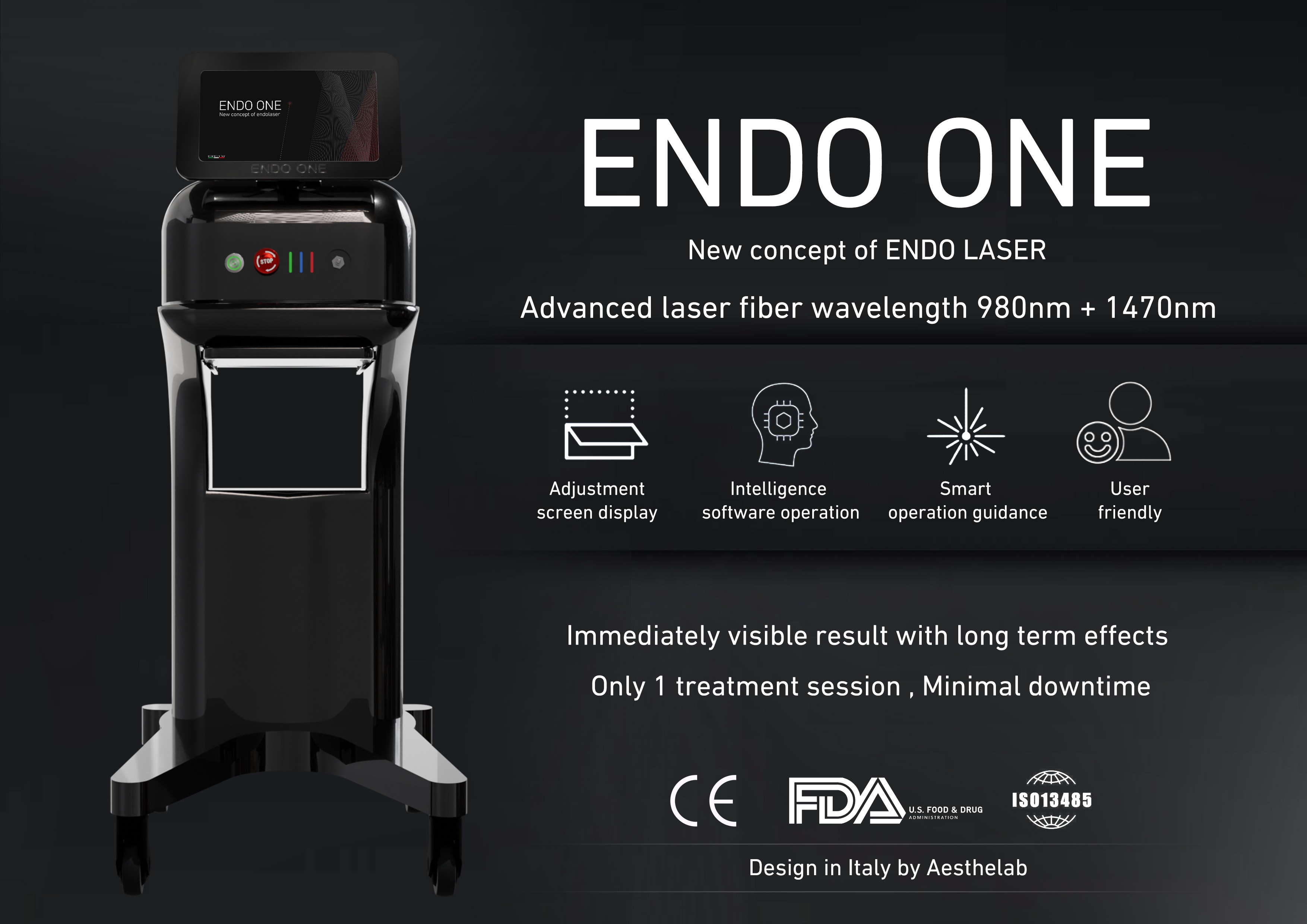
POZZUOLI, NA, ITALY, September 22, 2026 /EINPresswire.com/ -- Clinical directors evaluating minimally invasive technologies must determine whether an energy-based modality delivers verifiable soft-tissue tightening with manageable patient downtime. Advanced Skin Tightening for Clinical Practice depends on delivering precise thermal energy directly to the deep reticular dermis and fibroseptal network without causing epidermal thermal injury. Outpatient facilities prioritize procedural safety, uniform tissue response, and predictable dermal heating when choosing capital equipment.
Designed by Italian medical engineering firm ENDO ONE SRL, the ENDO ONE system incorporates customizable emission modes and dual-wavelength diode technology to optimize collagen remodeling pathways. By matching laser delivery modes to tissue thickness, practitioners can achieve consistent structural retraction across diverse clinical indications. This dual-wavelength diode architecture pairs responsive optical energy control with balanced micro-fiber delivery, giving clinicians an intermediate therapeutic solution between surface energy devices and incisional plastic surgery.
Which Biological Mechanisms Drive Lasting Soft-Tissue Retraction?
Achieving predictable skin tightening requires activating both immediate mechanical tissue contraction and delayed physiological tissue renewal. Surface-heating treatments often fail to stimulate deeper structural layers because energy dissipates through the epidermis.
Subdermal fiber-guided laser delivery targets the deep reticular dermis and subcutaneous fibrous septa directly. This internal approach induces dual-phase biological remodeling that tightens skin laxity from within.
Immediate Collagen Fibril Denaturation and Shrinkage
When laser energy elevates subcutaneous tissue temperature to between sixty and sixty-five degrees Celsius, heat disrupts heat-labile intramolecular crosslinks within the collagen triple helix. The structural protein transforms from a rigid crystalline structure into a random coiled state.
This structural transition causes immediate longitudinal shrinkage of collagen fibrils by up to one third of their original length. Patients and practitioners observe immediate soft-tissue tightening along the treated vector during the procedure.
Delayed Neocollagenesis and Extracellular Matrix Synthesis
The initial photothermal stimulation triggers a controlled wound-healing cascade in the surrounding connective tissue. Local release of inflammatory cytokines and heat shock proteins stimulates dormant fibroblasts within the extracellular matrix.
Over a subsequent period of two to six months, stimulated fibroblasts synthesize new type I and type III collagen fibrils alongside organized elastin networks. This progressive matrix restructuring thickens the dermis, improves skin elasticity, and provides long-lasting structural support.
How Do Selectable Emission Modes Protect Epidermal Safety?
Balancing therapeutic thermal accumulation with epidermal protection is the central technical challenge in energy-based tissue remodeling. Uncontrolled continuous energy delivery creates the risk of excessive heat transfer to the dermal-epidermal junction.
The platform provides selectable continuous, pulsed, and single-pulse emission modes. This temporal versatility allows clinicians to tailor thermal dissipation to local tissue volume while maintaining epidermal surface temperatures strictly below 40 to 42 degrees Celsius.
Continuous Heating for Deep Fibroseptal Contraction
Continuous wave emission maintains steady thermal output during continuous fiber movement through dense subcutaneous tissue planes. This mode is particularly effective for tightening extensive fibrous bands across the lower face, neck, and abdomen.
Clinicians maintain constant fiber translation at approximately one centimeter per second to disperse energy evenly along the designated vector. Uniform thermal accumulation ensures comprehensive septal tightening without focal overheating.
Pulsed Delivery for Superficial Dermal Protection
Pulsed emission introduces defined intervals of laser emission separated by programmed pauses that allow targeted tissue to cool. Clinicians set pulse durations and intervals to match the specific thermal relaxation time of the treated anatomical layer.
In delicate areas with thin overlying skin, pulsed delivery allows practitioners to achieve therapeutic dermal temperatures while ensuring the epidermis remains within safe thermal limits. Modulating the pulse duty cycle provides refined control during superficial passes.
What Clinical Criteria Govern Patient Selection for Endolaser Tightening?
Identifying appropriate clinical candidates is critical for achieving high procedural satisfaction and avoiding unrealistic clinical expectations. Ideal candidates typically exhibit mild to moderate cutaneous laxity characterized by soft-tissue sagging without extreme skin redundancy or advanced solar elastosis. Patients with preserved baseline dermal integrity respond more robustly to neocollagenesis stimulation than individuals with severe dermal atrophy. Furthermore, patients presenting with localized submental fullness or focal jowling achieve excellent dual-action results through concurrent fat emulsification and skin retraction, making this platform ideal for cohorts seeking noticeable contour refinement who decline incisional surgery.
What Does Published Clinical Literature Reveal About Diode Fiber Safety?
Clinical literature on intralesional 1470 nanometer diode lasers provides valuable benchmarks for procedural safety and expected tissue responses. Published prospective trials and histological evaluations document predictable dermal changes following subdermal fiber treatments.
Histological Findings of Dermal Remodeling
Histological biopsy studies, including published evaluations by Bollero and colleagues, demonstrate significant neo-collagen synthesis and neo-elastogenesis within the reticular dermis following 1470 nanometer irradiation. Biopsies harvested three months post-treatment show increased dermal density, thicker collagen bundles, and realignment of elastic fibers parallel to the skin surface.
The selective photothermal interaction with interstitial water limits lateral thermal damage, preserving adjacent adnexal structures, hair follicles, and vascular channels.
Reported Adverse Events and Clinical Recovery Profiles
Systematic reviews examining intralesional diode fiber procedures, such as evaluations by Nilforoushzadeh and colleagues, report low rates of serious complications when standard clinical protocols are observed. Expected post-treatment effects remain transient and manageable in outpatient settings. Mild erythema and localized edema typically resolve within three to seven days, while minor ecchymosis along fiber entry sites subsides within one to two weeks. Any temporary paresthesia along treated sensory nerve branches resolves spontaneously without long-term deficit, and full-thickness thermal burns are prevented through continuous fiber translation and aiming beam tracking.
Frequently Asked Questions About Clinical Endolaser Tightening
How long do clinical skin tightening outcomes typically persist?
Clinical outcomes reflect the dual-phase mechanism of initial fibril shrinkage and long-term neocollagenesis. While natural intrinsic aging continues, clinical studies indicate that visible tissue retraction and improved skin firmness typically persist for two to five years.
What anesthesia is required for clinical endolaser procedures?
Procedures are performed entirely under local tumescent anesthesia. Infiltrating a dilute lidocaine and epinephrine solution ensures complete patient comfort, separates anatomical planes, and provides an additional protective fluid buffer.
How does endolaser tightening compare with transcutaneous ultrasound or radiofrequency?
Transcutaneous devices must deliver energy across the epidermal surface, which limits energy concentration in deeper structures. Endolaser delivery introduces optical fibers directly into the target plane, enabling higher thermal efficiency without epidermal pigment interaction.
When do patients notice the primary clinical improvement?
Patients observe immediate partial tightening resulting from collagen fibril denaturation on the day of treatment. The full clinical outcome develops progressively over three to six months as new collagen fibers mature and reorganize within the dermis.
What post-procedure care is necessary after treatment?
Post-procedure protocols focus on minimizing swelling through light compression garments for several days. Patients typically resume non-strenuous daily activities within twenty-four to forty-eight hours following outpatient intervention.
Establishing Safe and Effective Tightening Protocols in Practice
Adopting advanced endolaser skin tightening allows aesthetic practices to deliver reproducible, minimally invasive contouring that bridges the gap between surface devices and invasive surgery. Standardized operational parameters and disciplined vector planning ensure predictable clinical outcomes.
Practitioners can initiate formal inquiries through the dedicated manufacturer consultation portal, where clinical specialists provide platform overviews, protocol parameter charts, and integration support. Equipping clinical staff with thorough procedural knowledge ensures high patient satisfaction and consistent treatment success. Prospective clinics can connect with clinical teams at https://www.endo-one-prime.com/ to schedule an equipment demonstration and review clinical documentation.
Designed by Italian medical engineering firm ENDO ONE SRL, the ENDO ONE system incorporates customizable emission modes and dual-wavelength diode technology to optimize collagen remodeling pathways. By matching laser delivery modes to tissue thickness, practitioners can achieve consistent structural retraction across diverse clinical indications. This dual-wavelength diode architecture pairs responsive optical energy control with balanced micro-fiber delivery, giving clinicians an intermediate therapeutic solution between surface energy devices and incisional plastic surgery.
Which Biological Mechanisms Drive Lasting Soft-Tissue Retraction?
Achieving predictable skin tightening requires activating both immediate mechanical tissue contraction and delayed physiological tissue renewal. Surface-heating treatments often fail to stimulate deeper structural layers because energy dissipates through the epidermis.
Subdermal fiber-guided laser delivery targets the deep reticular dermis and subcutaneous fibrous septa directly. This internal approach induces dual-phase biological remodeling that tightens skin laxity from within.
Immediate Collagen Fibril Denaturation and Shrinkage
When laser energy elevates subcutaneous tissue temperature to between sixty and sixty-five degrees Celsius, heat disrupts heat-labile intramolecular crosslinks within the collagen triple helix. The structural protein transforms from a rigid crystalline structure into a random coiled state.
This structural transition causes immediate longitudinal shrinkage of collagen fibrils by up to one third of their original length. Patients and practitioners observe immediate soft-tissue tightening along the treated vector during the procedure.
Delayed Neocollagenesis and Extracellular Matrix Synthesis
The initial photothermal stimulation triggers a controlled wound-healing cascade in the surrounding connective tissue. Local release of inflammatory cytokines and heat shock proteins stimulates dormant fibroblasts within the extracellular matrix.
Over a subsequent period of two to six months, stimulated fibroblasts synthesize new type I and type III collagen fibrils alongside organized elastin networks. This progressive matrix restructuring thickens the dermis, improves skin elasticity, and provides long-lasting structural support.
How Do Selectable Emission Modes Protect Epidermal Safety?
Balancing therapeutic thermal accumulation with epidermal protection is the central technical challenge in energy-based tissue remodeling. Uncontrolled continuous energy delivery creates the risk of excessive heat transfer to the dermal-epidermal junction.
The platform provides selectable continuous, pulsed, and single-pulse emission modes. This temporal versatility allows clinicians to tailor thermal dissipation to local tissue volume while maintaining epidermal surface temperatures strictly below 40 to 42 degrees Celsius.
Continuous Heating for Deep Fibroseptal Contraction
Continuous wave emission maintains steady thermal output during continuous fiber movement through dense subcutaneous tissue planes. This mode is particularly effective for tightening extensive fibrous bands across the lower face, neck, and abdomen.
Clinicians maintain constant fiber translation at approximately one centimeter per second to disperse energy evenly along the designated vector. Uniform thermal accumulation ensures comprehensive septal tightening without focal overheating.
Pulsed Delivery for Superficial Dermal Protection
Pulsed emission introduces defined intervals of laser emission separated by programmed pauses that allow targeted tissue to cool. Clinicians set pulse durations and intervals to match the specific thermal relaxation time of the treated anatomical layer.
In delicate areas with thin overlying skin, pulsed delivery allows practitioners to achieve therapeutic dermal temperatures while ensuring the epidermis remains within safe thermal limits. Modulating the pulse duty cycle provides refined control during superficial passes.
What Clinical Criteria Govern Patient Selection for Endolaser Tightening?
Identifying appropriate clinical candidates is critical for achieving high procedural satisfaction and avoiding unrealistic clinical expectations. Ideal candidates typically exhibit mild to moderate cutaneous laxity characterized by soft-tissue sagging without extreme skin redundancy or advanced solar elastosis. Patients with preserved baseline dermal integrity respond more robustly to neocollagenesis stimulation than individuals with severe dermal atrophy. Furthermore, patients presenting with localized submental fullness or focal jowling achieve excellent dual-action results through concurrent fat emulsification and skin retraction, making this platform ideal for cohorts seeking noticeable contour refinement who decline incisional surgery.
What Does Published Clinical Literature Reveal About Diode Fiber Safety?
Clinical literature on intralesional 1470 nanometer diode lasers provides valuable benchmarks for procedural safety and expected tissue responses. Published prospective trials and histological evaluations document predictable dermal changes following subdermal fiber treatments.
Histological Findings of Dermal Remodeling
Histological biopsy studies, including published evaluations by Bollero and colleagues, demonstrate significant neo-collagen synthesis and neo-elastogenesis within the reticular dermis following 1470 nanometer irradiation. Biopsies harvested three months post-treatment show increased dermal density, thicker collagen bundles, and realignment of elastic fibers parallel to the skin surface.
The selective photothermal interaction with interstitial water limits lateral thermal damage, preserving adjacent adnexal structures, hair follicles, and vascular channels.
Reported Adverse Events and Clinical Recovery Profiles
Systematic reviews examining intralesional diode fiber procedures, such as evaluations by Nilforoushzadeh and colleagues, report low rates of serious complications when standard clinical protocols are observed. Expected post-treatment effects remain transient and manageable in outpatient settings. Mild erythema and localized edema typically resolve within three to seven days, while minor ecchymosis along fiber entry sites subsides within one to two weeks. Any temporary paresthesia along treated sensory nerve branches resolves spontaneously without long-term deficit, and full-thickness thermal burns are prevented through continuous fiber translation and aiming beam tracking.
Frequently Asked Questions About Clinical Endolaser Tightening
How long do clinical skin tightening outcomes typically persist?
Clinical outcomes reflect the dual-phase mechanism of initial fibril shrinkage and long-term neocollagenesis. While natural intrinsic aging continues, clinical studies indicate that visible tissue retraction and improved skin firmness typically persist for two to five years.
What anesthesia is required for clinical endolaser procedures?
Procedures are performed entirely under local tumescent anesthesia. Infiltrating a dilute lidocaine and epinephrine solution ensures complete patient comfort, separates anatomical planes, and provides an additional protective fluid buffer.
How does endolaser tightening compare with transcutaneous ultrasound or radiofrequency?
Transcutaneous devices must deliver energy across the epidermal surface, which limits energy concentration in deeper structures. Endolaser delivery introduces optical fibers directly into the target plane, enabling higher thermal efficiency without epidermal pigment interaction.
When do patients notice the primary clinical improvement?
Patients observe immediate partial tightening resulting from collagen fibril denaturation on the day of treatment. The full clinical outcome develops progressively over three to six months as new collagen fibers mature and reorganize within the dermis.
What post-procedure care is necessary after treatment?
Post-procedure protocols focus on minimizing swelling through light compression garments for several days. Patients typically resume non-strenuous daily activities within twenty-four to forty-eight hours following outpatient intervention.
Establishing Safe and Effective Tightening Protocols in Practice
Adopting advanced endolaser skin tightening allows aesthetic practices to deliver reproducible, minimally invasive contouring that bridges the gap between surface devices and invasive surgery. Standardized operational parameters and disciplined vector planning ensure predictable clinical outcomes.
Practitioners can initiate formal inquiries through the dedicated manufacturer consultation portal, where clinical specialists provide platform overviews, protocol parameter charts, and integration support. Equipping clinical staff with thorough procedural knowledge ensures high patient satisfaction and consistent treatment success. Prospective clinics can connect with clinical teams at https://www.endo-one-prime.com/ to schedule an equipment demonstration and review clinical documentation.
ENDO ONE SRL
ENDO ONE SRL
email us here
Legal Disclaimer:
EIN Presswire provides this news content "as is" without warranty of any kind. We do not accept any responsibility or liability for the accuracy, content, images, videos, licenses, completeness, legality, or reliability of the information contained in this article. If you have any complaints or copyright issues related to this article, kindly contact the author above.
